Billy wallson
Senior DirectorDrying, infusing, and fermenting are simple ways to keep foraged flavors on your shelf all year.

Children are natural foragers. They notice tiny things, ask endless questions, and are delighted by the idea that the outdoors is full of food and treasure. A foraging walk with kids does not need to be a serious expedition. It needs to be short, safe, and full of small discoveries. The goal is not a full basket; it is a lifelong relationship with the natural world.
Safety comes first, and it comes in the form of simple rules repeated cheerfully at the start of every walk. The first rule is never eat anything without asking an adult. The second is only pick what a grown-up identifies. The third is leave plenty behind for the animals and for next year. For very young children, consider a no-eating rule entirely and focus on collecting, smelling, and touching instead. Even a toddler can gather fallen pinecones, acorns, and colorful leaves.
Choose plants and finds that are easy to identify and hard to confuse with anything dangerous. Dandelions are perfect: bright, abundant, and every part is useful. Violet leaves and flowers are another safe beginner's plant. Clover, plantain, and chickweed are common in lawns and parks. For fruit, look for blackberries, raspberries, and blueberries in season, and teach children to check for thorns and to pick only fully ripe fruit. Mushrooms are best left to adults, but children can still learn to spot them and admire them from a distance.
Bring a small basket or paper bag for each child and let them carry their own finds. A magnifying glass and a simple pocket guide with pictures make the walk feel like a real adventure. Take photos of anything you are unsure about and identify it at home together. That habit alone teaches good foraging practice.
Once home, turn the day's finds into something tangible. Dandelion fritters are a classic first cooking project, simple and satisfying. Violet flowers can be candied or frozen into ice cubes for fancy drinks. Pinecones can be rolled in peanut butter and birdseed for a feeder. Pressed leaves and flowers become bookmarks or greeting cards. Even a simple jar of foraged mint tea, brewed together and sweetened with honey, feels like a triumph to a child who picked the leaves.
Keep the outings short and end on a high note, ideally with a snack. A tired, hungry child remembers foraging as a chore; a happy one remembers it as a treasure hunt. Over the years, those short walks add up. The child who learned to identify plantain at five may be the teenager who knows where the wild blackberries ripen, and the adult who still stops to look at the forest floor.

Turn foraged flowers, leaves, and resins into simple healing salves using nothing more than oil, beeswax, and a little patience.

Turn foraged flowers, bark, and berries into beautiful natural dyes for fabric, yarn, and paper.
Fall rewards foragers who are willing to look down, dig in, and embrace the quieter, slower harvests of nuts, roots, and late berries.
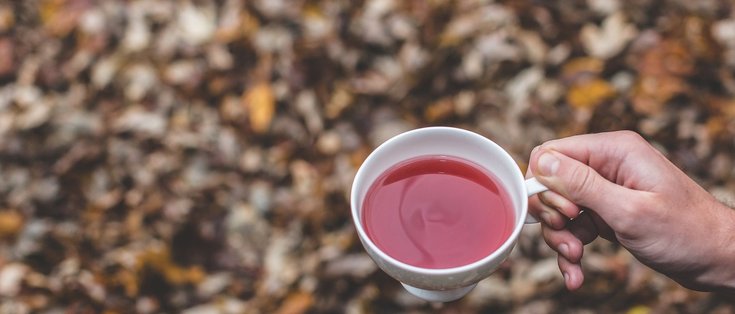
Transform pinecones, acorns, twigs, and dried flowers into simple, beautiful crafts that bring the outdoors into your home.
Drying, infusing, and fermenting are simple ways to keep foraged flavors on your shelf all year.
A guide to safe, delicious wild teas you can brew from common plants on your next hike.

Copyright © 2026 Pinecone Post. All Rights Reserved.



Roseanne Williams
Sep 26, 2026 ReplySimple, safe ways to introduce children to foraging and wildcrafting without losing their attention or your peace of mind.