Billy wallson
Senior DirectorTransform pinecones, acorns, twigs, and dried flowers into simple, beautiful crafts that bring the outdoors into your home.
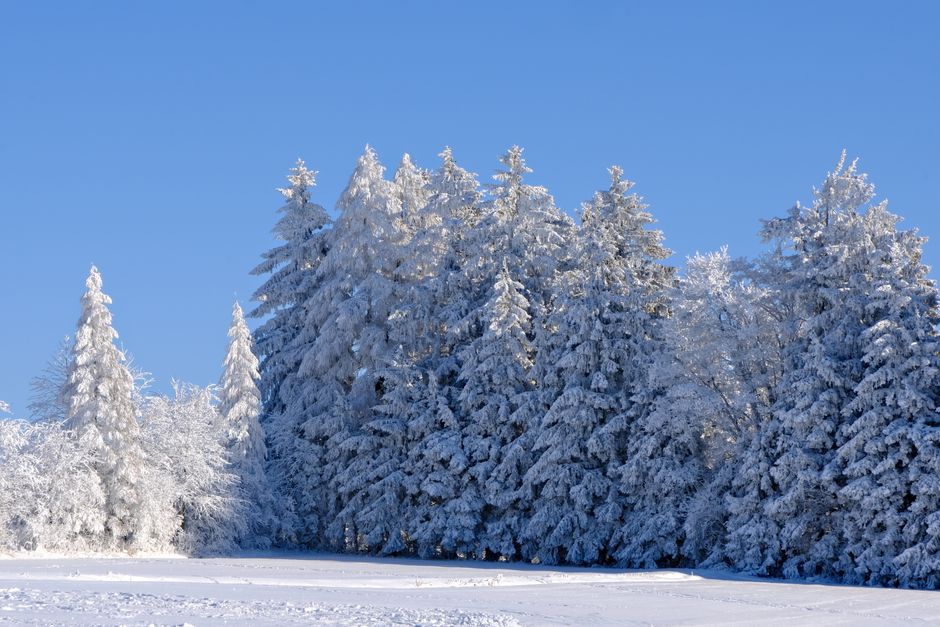
Many people assume foraging ends with the first hard frost. In truth, winter is a quieter, starker season of abundance, one that rewards the forager who is willing to look more carefully and think more creatively. The plants are fewer, but the ones that remain are often the most interesting: evergreen needles, dormant roots, winter mushrooms, and the last stubborn fruits clinging to bare branches.
Winter foraging is also excellent practice. With the distraction of green growth gone, you learn to read bark, buds, and the architecture of trees. You notice things you walked past all summer.
Pine, spruce, and fir needles are edible year-round and particularly welcome in winter. They are rich in vitamin C and make a bright, resinous tea that tastes like the forest smells. Use the fresh green needles from the tips of the branches, steep them in hot, not boiling, water for ten to fifteen minutes, and sweeten with honey if you like. A word of caution: never use yew, which is toxic, and always confirm your tree's identity before brewing. Pine needles grow in bundles, spruce needles are square and roll easily between your fingers, and fir needles are flat and grow from the twig in a suction-cup pattern.
Pine resin, gathered from fresh wounds on trunks, can be infused into oil for salves or chewed like gum in small amounts. It is sticky work, so bring a dedicated knife and a jar you do not mind ruining.
Juniper berries, actually tiny cones, ripen in late fall and persist through winter. A few crushed berries add a gin-like note to game, sauerkraut, or a warming tea. Use them sparingly; their flavor is intense.
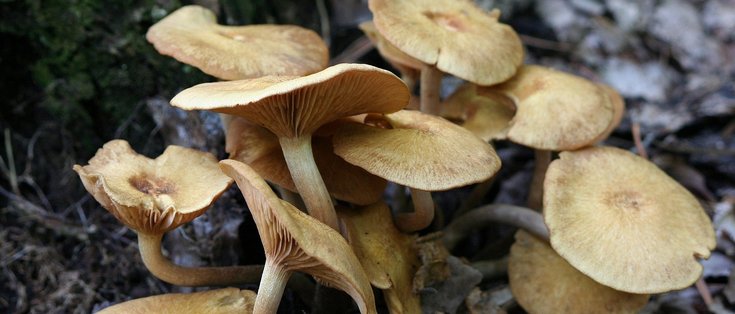
Mushroom foraging in winter is a specialized pursuit, but a few species make it worthwhile. Oyster mushrooms often fruit in cold weather on standing dead trees, and velvet shank appears in clusters on fallen logs during winter thaws. Both have deadly lookalikes, so never harvest winter mushrooms without solid identification skills and, ideally, the guidance of an experienced local forager.
Burdock, dandelion, and Jerusalem artichoke roots remain harvestable as long as the ground is not frozen solid. The cold actually sweetens some roots, because the plant converts starch to sugar as a kind of antifreeze. Dig on a mild day, refill your holes, and leave plenty behind.
Rose hips, hawthorn berries, and crabapples often persist on the bush well into winter and are at their sweetest after a few frosts. They make excellent syrups, jellies, and teas, and they are a welcome source of vitamin C when fresh produce is scarce.
Winter foraging asks for warm gloves, a sharp knife, and a willingness to come home with less than you would in June. But it also asks you to pay attention in a way the lush seasons never do. The woods in January are not empty. They are simply speaking more quietly, and the forager who learns to listen will always find something worth carrying home.
Learn how to safely identify and harvest five common spring greens that appear in yards, woodlands, and meadow edges across much of North America.

Fall rewards foragers who are willing to look down, dig in, and embrace the quieter, slower harvests of nuts, roots, and late berries.
Turn foraged flowers, leaves, and resins into simple healing salves using nothing more than oil, beeswax, and a little patience.
Fall rewards foragers who are willing to look down, dig in, and embrace the quieter, slower harvests of nuts, roots, and late berries.

Transform pinecones, acorns, twigs, and dried flowers into simple, beautiful crafts that bring the outdoors into your home.

Learn how to identify, harvest, and respect wild mushrooms so that both you and the forest keep thriving for seasons to come.
Copyright © 2026 Pinecone Post. All Rights Reserved.


Roseanne Williams
Sep 28, 2026 ReplyEven in the depths of winter, the woods hold edible and useful treasures for those who know where to look and how to look.