Billy wallson
Senior DirectorTurn foraged flowers, bark, and berries into beautiful natural dyes for fabric, yarn, and paper.

The thrill of a full foraging basket is quickly followed by a practical question: what do I do with all of this? Preserving your harvest is where wildcrafting becomes a daily pleasure rather than a seasonal fling. With a few basic techniques, you can turn a few hours in the woods into months of teas, seasonings, and remedies.
Drying is the oldest and simplest method. Herbs like mint, yarrow, and lemon balm dry beautifully in small bundles hung in a dark, well-ventilated room. Roots and bark need more airflow and often benefit from a dehydrator set low, around ninety-five to one hundred and ten degrees Fahrenheit, to preserve color and aroma. Berries and mushrooms dry well too, though mushrooms should be sliced thin and dried until brittle to avoid spoilage. Label everything with the plant name and the date, and store in airtight glass jars away from light and heat. A dark cupboard is ideal.
Infusing is a gentle way to capture flavor and aroma. For herbal vinegars, fill a jar loosely with clean, dry plant material, cover with apple cider or white wine vinegar, and let it sit in a cool dark place for four to six weeks, shaking occasionally. Strain and bottle. Nettle, dandelion, and violet all make lovely vinegars. Infused oils follow the same principle but require more care: any fresh plant material must be completely dry before it meets the oil, or moisture can encourage mold. Use a double boiler or a sunny windowsill for a few weeks, then strain. These oils are best used for cooking or salves rather than long-term storage unless you refrigerate them.
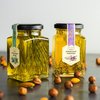
Herbal honeys are another favorite. Chop fresh herbs, pack them into a jar, and cover with raw honey. Let the mixture infuse for a week or two, then strain if you like. The honey takes on the plant's character and keeps well on the shelf.
Fermentation is having a quiet renaissance among foragers, and for good reason. Wild plants are covered in beneficial yeasts and bacteria that can transform them into sauerkraut, kimchi, and wild sodas. A simple wild green kraut begins with shredded foraged greens, a little salt, and patience. Massage the salt into the greens until they release their own brine, pack tightly into a jar, and keep the vegetables submerged. Within a week or two, the tang develops. Fermenting does require attention to cleanliness and temperature, so read a trusted guide before starting.
Whichever method you choose, the goal is the same: to stretch the abundance of one afternoon into the quiet months. A shelf of labeled jars is a diary of the year, and every spoonful of wild mint tea in January is a small reminder of the summer woods.

Learn how to identify, harvest, and respect wild mushrooms so that both you and the forest keep thriving for seasons to come.

Learn how to identify, harvest, and respect wild mushrooms so that both you and the forest keep thriving for seasons to come.
Turn foraged flowers, bark, and berries into beautiful natural dyes for fabric, yarn, and paper.

Drying, infusing, and fermenting are simple ways to keep foraged flavors on your shelf all year.
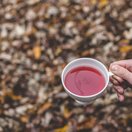
Turn foraged flowers, bark, and berries into beautiful natural dyes for fabric, yarn, and paper.
Simple, safe ways to introduce children to foraging and wildcrafting without losing their attention or your peace of mind.
Copyright © 2026 Pinecone Post. All Rights Reserved.


Roseanne Williams
Sep 11, 2026 ReplyDrying, infusing, and fermenting are simple ways to keep foraged flavors on your shelf all year.