Billy wallson
Senior DirectorA guide to safe, delicious wild teas you can brew from common plants on your next hike.
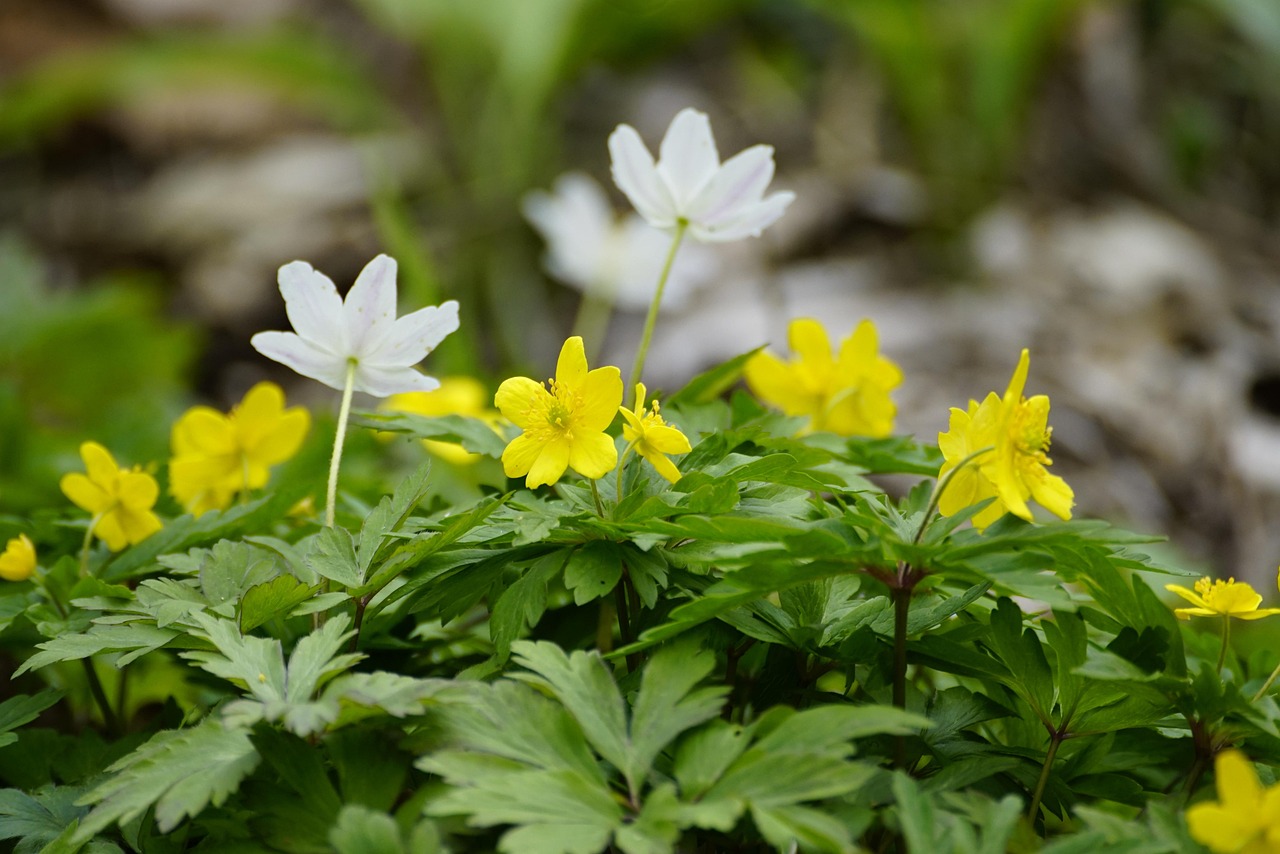
There is a particular kind of magic in the first warm days of spring. The snow pulls back, the ground softens, and almost overnight the woods begin to offer up their earliest edible greens. For anyone curious about foraging, spring is the kindest teacher. The plants are young and tender, the poison lookalikes are fewer than in midsummer, and the reward is a fresh salad you genuinely cannot buy at the store.
Before you head out, the single most important rule is simple: never eat a plant you cannot identify with complete confidence. Buy a good regional field guide, ideally one specific to your area, and cross-reference every plant against at least two sources. When in doubt, leave it. There will always be another patch, another season, another day.
Dandelion (Taraxacum officinale) is the gateway green for most foragers. The young leaves, harvested before the plant flowers, are less bitter than the mature ones and work beautifully in salads or lightly wilted with garlic. Look for them in lawns that have not been sprayed, and always ask permission before harvesting from private land.
Chickweed (Stellaria media) forms sprawling mats of small, pointed leaves with a line of fine hairs running down one side of the stem, a detail that helps distinguish it from lookalikes. It tastes mild and slightly grassy, and it makes an excellent pesto or soup green. It thrives in disturbed soil, garden beds, and the edges of paths.
Garlic mustard (Alliaria petiolata) is an invasive biennial in much of North America, which means harvesting it is a small act of ecological kindness. Crush a leaf and you will smell garlic immediately. The young first-year leaves are the best eating, and the roots can be grated like horseradish. Because it spreads aggressively, take as much as you like.
Watercress (Nasturtium officinale) grows in clean, flowing water and offers a peppery bite that elevates any sandwich. A serious caution here: watercress from stagnant or questionable water can carry liver fluke and other parasites, so harvest only from fast-moving, unpolluted streams, and cook it if you have any doubts about the water source.
Wild violet (Viola species) leaves and flowers are both edible, mildly sweet, and gorgeous scattered over a spring salad. The heart-shaped leaves emerge early and are easy to recognize once you have seen them a few times.
Good foraging is gentle foraging. Take only what you will actually use, and never strip a patch bare. A common guideline is to harvest no more than a third of any stand, leaving the rest to regenerate and feed wildlife. Use a sharp knife or scissors rather than yanking plants up by the roots, unless the species is invasive and root removal is helpful.
Carry your harvest in a breathable bag or basket rather than a plastic sack, which traps moisture and turns delicate greens to mush within an hour. Bring them home, rinse them well in cool water, and use them the same day if possible. A salad of dandelion, chickweed, and violet dressed simply with olive oil and lemon is one of the great pleasures of early spring, and it costs nothing but attention.
Start small. Learn five plants this season instead of fifty. By next spring, those five will feel like old friends, and you will be ready to add a few more.
A guide to safe, delicious wild teas you can brew from common plants on your next hike.

Simple, safe ways to introduce children to foraging and wildcrafting without losing their attention or your peace of mind.
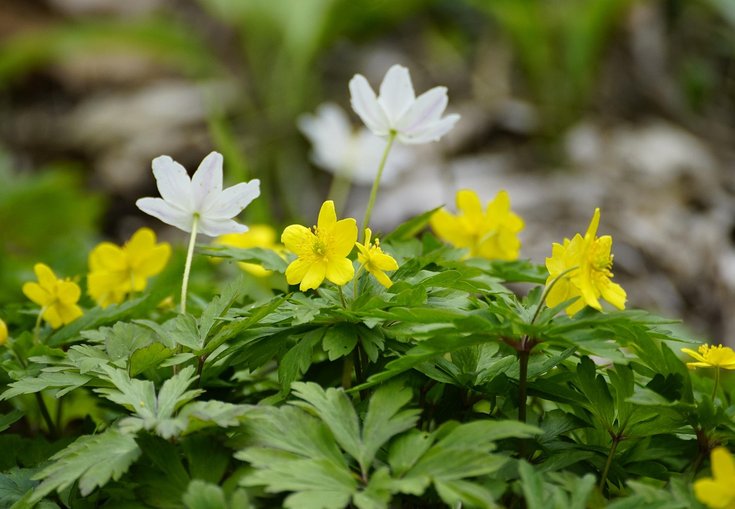
Learn how to safely identify and harvest five common spring greens that appear in yards, woodlands, and meadow edges across much of North America.
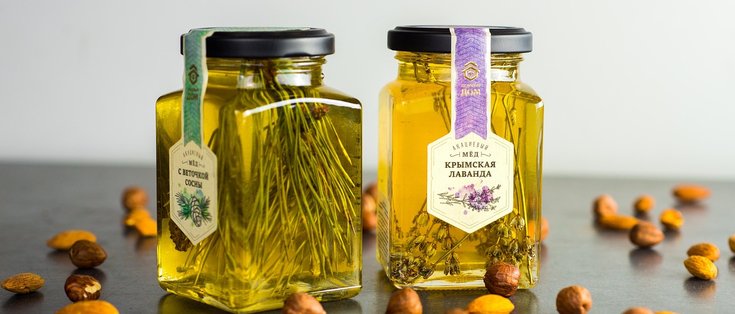
Turn foraged flowers, leaves, and resins into simple healing salves using nothing more than oil, beeswax, and a little patience.
A guide to safe, delicious wild teas you can brew from common plants on your next hike.
Turn foraged flowers, leaves, and resins into simple healing salves using nothing more than oil, beeswax, and a little patience.
Copyright © 2026 Pinecone Post. All Rights Reserved.



Roseanne Williams
Oct 1, 2026 ReplyLearn how to safely identify and harvest five common spring greens that appear in yards, woodlands, and meadow edges across much of North America.