Billy wallson
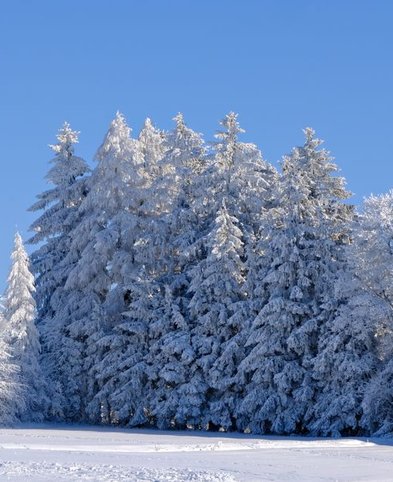
Senior DirectorEven in the depths of winter, the woods hold edible and useful treasures for those who know where to look and how to look.
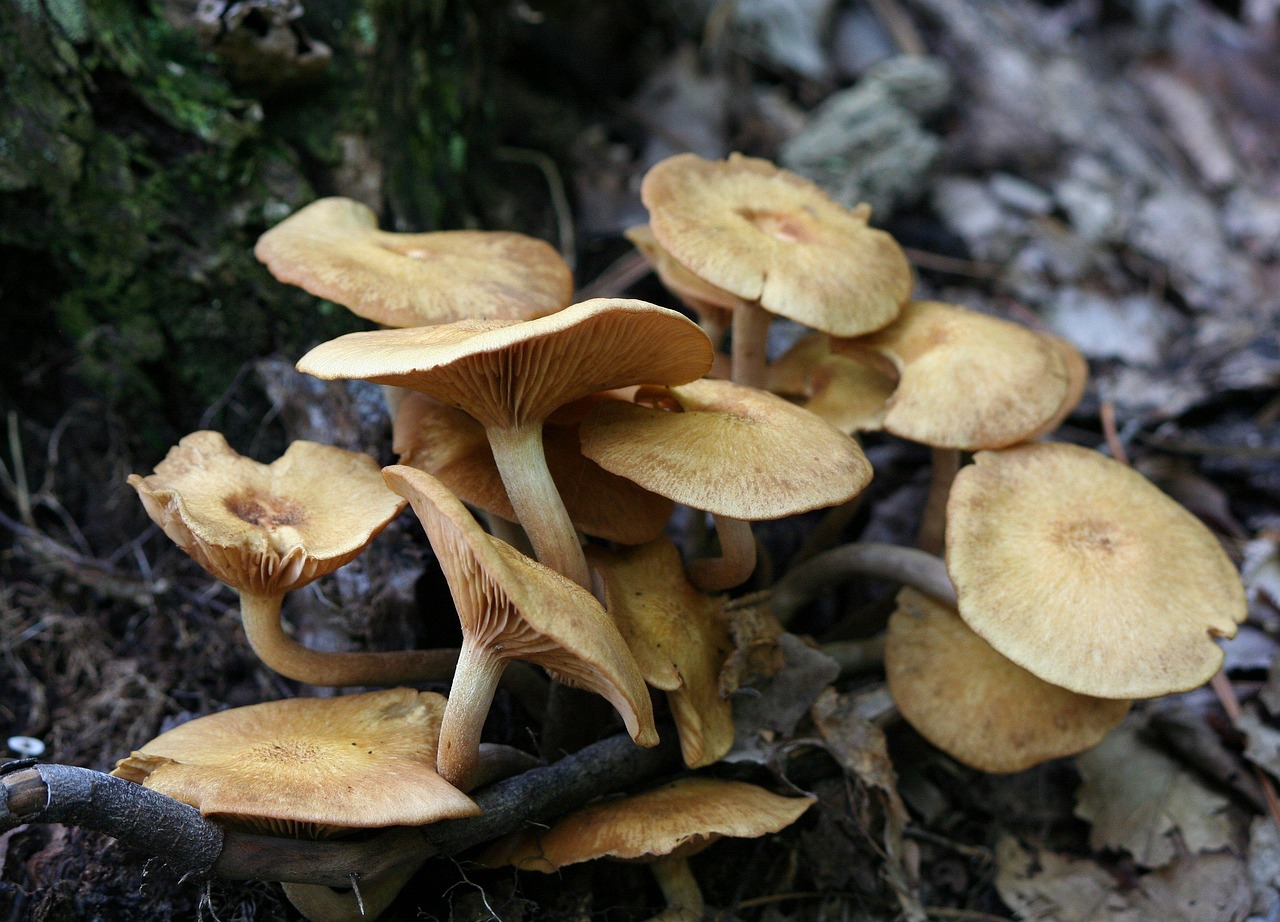
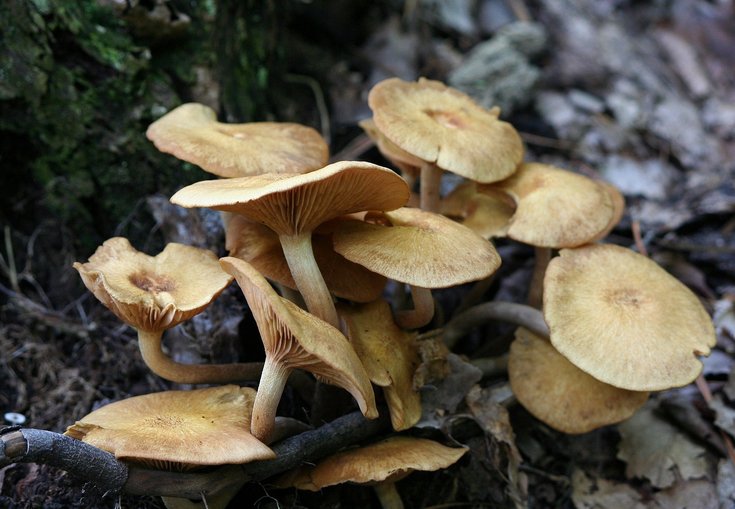
There is a particular hush that falls over the forest when you crouch down to inspect a mushroom. The world shrinks to the size of your hands, the damp smell of leaf litter, and the quiet question: is this the one I think it is? Mushroom foraging rewards patience over enthusiasm, and it punishes certainty without evidence. Before you ever fill a basket, fill your mind with the fundamentals.
Start by learning a handful of unmistakable species rather than a hundred maybes. Choose mushrooms with no dangerous lookalikes: chanterelles, giant puffballs, lion's mane, and chicken of the woods are classic starting points in many regions. Buy a good regional field guide, ideally one specific to your area, and cross-reference every identification with at least two sources. Join a local mycological society if one exists near you; nothing replaces walking with someone who has harvested the same woods for decades. A spore print, a careful look at gills versus pores versus teeth, and attention to where the mushroom grows, all matter as much as color and shape.
Ethical harvesting begins before you pick anything. The mycelium beneath the soil is the real organism, a vast network that can live for years, and the mushroom is only its fruiting body. Cut cleanly at the base with a sharp knife rather than yanking, which disturbs the underground threads. Carry your harvest in a mesh bag or woven basket so spores can drift out as you walk, seeding new ground behind you. Never take every mushroom in a patch; leave at least a third standing so the colony can reproduce, and leave the oldest and most decayed specimens alone, as they are already feeding insects and other wildlife.
Know the rules of the land you are on. Many public lands allow personal-use foraging but restrict commercial harvest, and some parks prohibit it entirely. Private land requires permission, always. If you are unsure, ask a ranger or land manager; most are happy to point you toward legal and productive areas. Avoid harvesting near roadsides, industrial sites, or sprayed lawns, since mushrooms readily absorb heavy metals and pesticides from their surroundings.
Once home, clean your mushrooms with a soft brush or damp cloth rather than soaking them, which turns them soggy. Cook them the same day when possible. Even edible species should never be eaten raw, and anyone trying a new mushroom for the first time should eat only a small portion and wait a day to watch for reactions. Keep a written log of what you found, where, and when. Over a few seasons, that log becomes your most valuable foraging tool, a personal map of the forest's rhythms.
The best mushroom hunters are cautious, curious, and humble. They accept that some days the basket stays empty and the walk was still worth it. That mindset, more than any single identification, is what keeps foragers safe and forests healthy year after year.
Simple, safe ways to introduce children to foraging and wildcrafting without losing their attention or your peace of mind.

Transform pinecones, acorns, twigs, and dried flowers into simple, beautiful crafts that bring the outdoors into your home.
A guide to safe, delicious wild teas you can brew from common plants on your next hike.
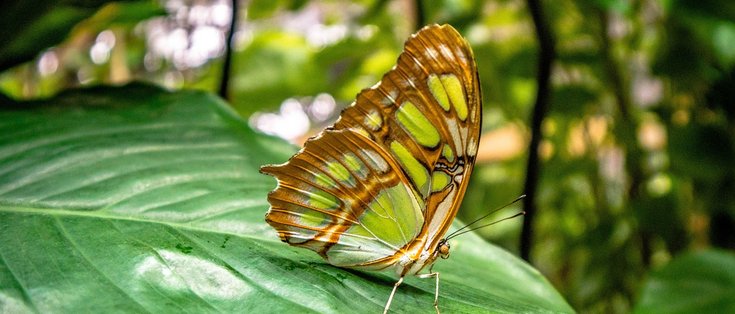
Learn how to safely identify and harvest five common spring greens that appear in yards, woodlands, and meadow edges across much of North America.

Even in the depths of winter, the woods hold edible and useful treasures for those who know where to look and how to look.
Turn foraged flowers, bark, and berries into beautiful natural dyes for fabric, yarn, and paper.
Copyright © 2026 Pinecone Post. All Rights Reserved.

Roseanne Williams
Oct 4, 2026 ReplyLearn how to identify, harvest, and respect wild mushrooms so that both you and the forest keep thriving for seasons to come.