Billy wallson
Senior DirectorTurn foraged flowers, leaves, and resins into simple healing salves using nothing more than oil, beeswax, and a little patience.
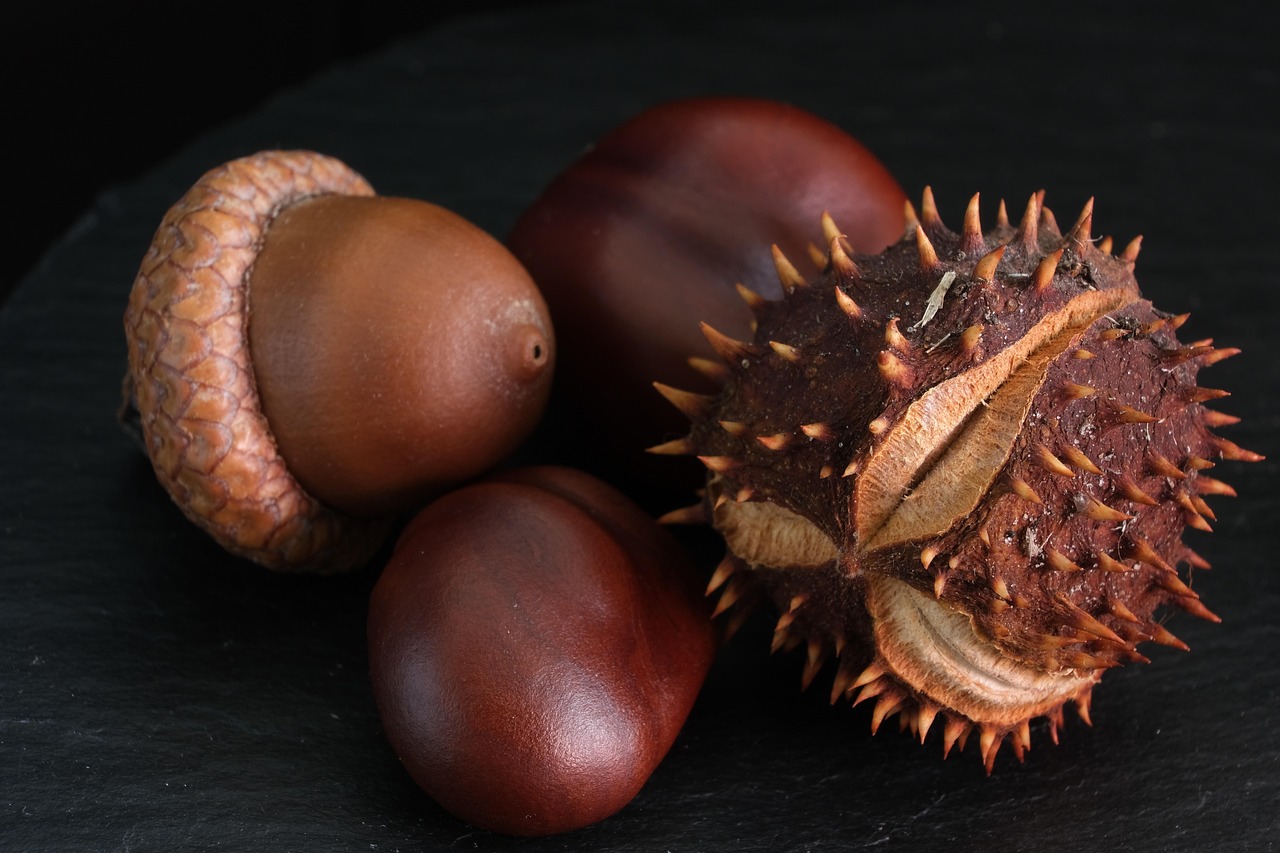
Autumn foraging feels different from spring. The frantic green rush of May is over, and the woods settle into something more deliberate. The harvest is heavier, often hidden, and it asks for patience. This is the season of nuts and roots, of bending low and digging deep, and of coming home with a basket that will actually feed you through the winter.
If you are new to fall foraging, start with what is abundant and unmistakable. Then work your way toward the plants that demand a little more knowledge.
Acorns are the most widespread wild nut in North America and Europe, and once you learn to process them, they are genuinely delicious. The catch is the tannins, which make raw acorns bitter and hard on the stomach. White oak acorns are generally sweeter and can be leached in a few days, while red oak acorns need longer. Shell the acorns, grind them into a coarse meal, and soak the meal in repeated changes of cold water until the bitterness is gone. Then dry it and use it in breads, porridges, or as a thickener.
Black walnuts are another fall treasure, though they demand commitment. The husks stain everything they touch a deep, lasting brown, so wear gloves and old clothes. Hull them promptly, cure the nuts in a dry, airy spot for several weeks, then crack them with a hammer. The flavor is far more complex than store-bought walnuts, and worth every stained fingertip.
Hazelnuts, beechnuts, and hickory nuts all reward the forager who learns to recognize them in the husk, before the squirrels carry them all away. Timing matters: check your favorite trees every few days as the nuts ripen, because the window between ripe and gone is short.
Fall is also the season for digging. Burdock root, harvested from first-year plants, is excellent sliced and stir-fried or simmered into soups. Dandelion root, roasted and ground, makes a surprisingly good coffee substitute. Jerusalem artichoke, or sunchoke, grows wild in many places and produces knobby tubers that taste like a cross between potato and artichoke heart. Always dig with permission, fill your holes back in, and leave plenty of roots behind so the patch returns next year.
Late berries round out the fall basket. Rose hips, high in vitamin C, are best after the first frost softens them. Hawthorn berries, crabapples, and the last of the elderberries all offer themselves to the patient forager. Crabapples in particular make beautiful jellies and chutneys and are almost never harvested by anyone else.
The real lesson of autumn foraging is not what you bring home but how you move through the woods. You slow down. You notice the scratch of a squirrel above you, the clean smell of fallen leaves, the weight of a full basket on your arm. The harvest is generous, but the pace is the gift.
Even in the depths of winter, the woods hold edible and useful treasures for those who know where to look and how to look.

Learn how to safely identify and harvest five common spring greens that appear in yards, woodlands, and meadow edges across much of North America.
Learn how to identify, harvest, and respect wild mushrooms so that both you and the forest keep thriving for seasons to come.
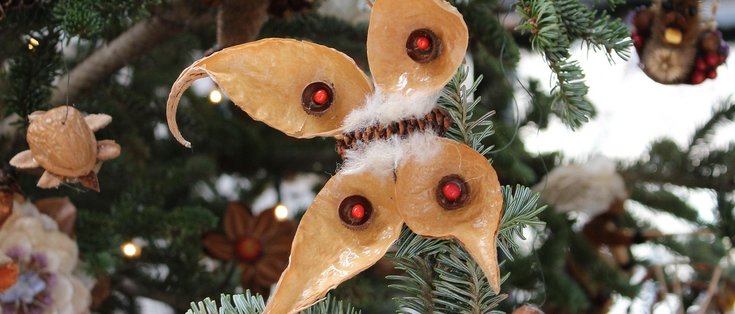
Turn foraged flowers, bark, and berries into beautiful natural dyes for fabric, yarn, and paper.
Turn foraged flowers, leaves, and resins into simple healing salves using nothing more than oil, beeswax, and a little patience.

Transform pinecones, acorns, twigs, and dried flowers into simple, beautiful crafts that bring the outdoors into your home.
Copyright © 2026 Pinecone Post. All Rights Reserved.


Roseanne Williams
Aug 27, 2026 ReplyFall rewards foragers who are willing to look down, dig in, and embrace the quieter, slower harvests of nuts, roots, and late berries.