Billy wallson
Senior DirectorSimple, safe ways to introduce children to foraging and wildcrafting without losing their attention or your peace of mind.
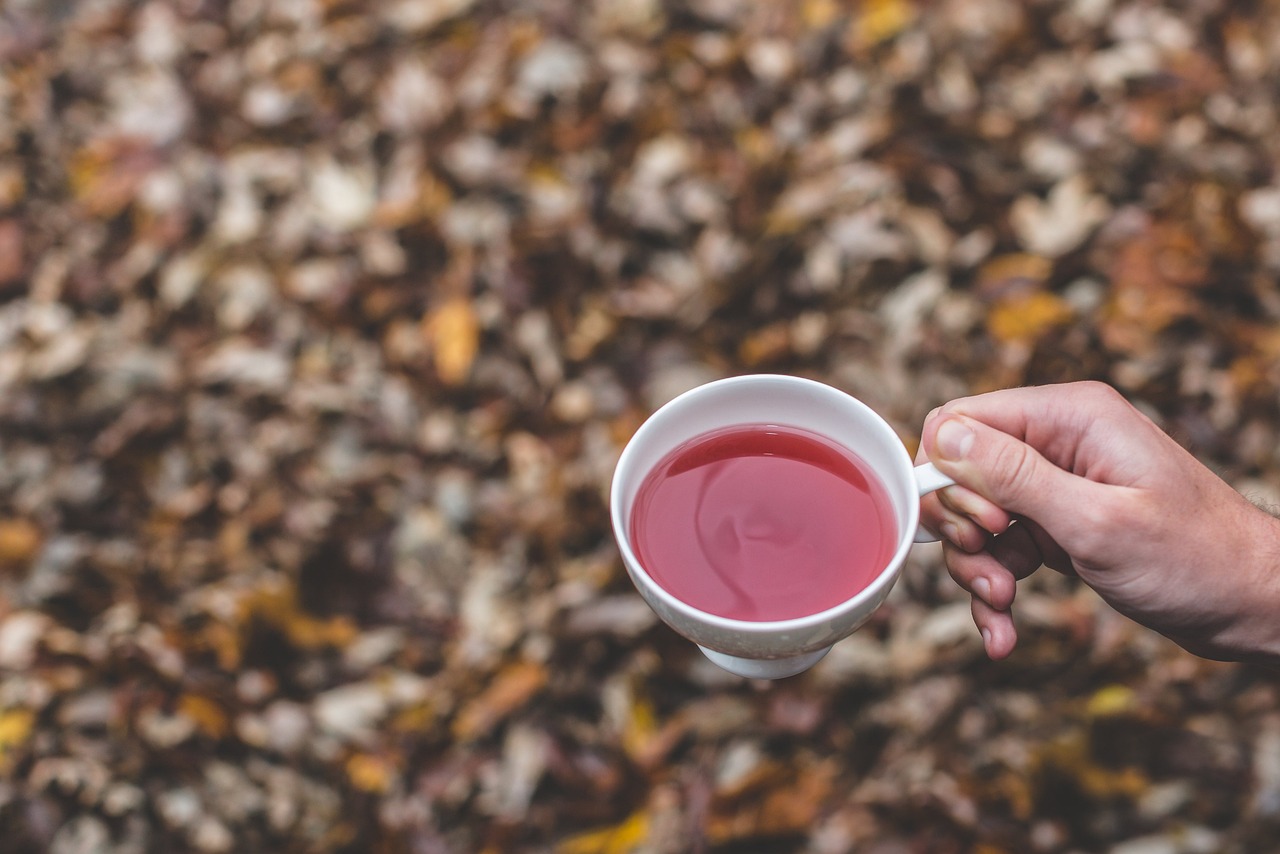
There are few pleasures as simple as a cup of tea brewed from plants gathered along the trail. Wild teas connect you to a place in a way that a thermos never can. They also require care, because not every plant is safe to drink and some that are medicinal should not be consumed in large amounts. The good news is that a handful of common, easily identified plants make excellent teas for beginners.
The safest approach is to learn a small number of plants thoroughly and to brew them in modest quantities. Start with leaves and flowers rather than roots, which are harder to identify and prepare. Always harvest from clean ground away from roads, train tracks, and sprayed areas. Use only the freshest, healthiest plant material, and skip anything with mildew, insect damage, or discoloration.
Peppermint and wild mint grow in damp places and are easy to recognize by their square stems and unmistakable aroma. A few leaves steeped in hot water make a bright, digestive tea. Pine needle tea, made from the green needles of white pine, is a traditional source of vitamin C, though it should be brewed with needles only, never the bark or twigs, and consumed in moderation. The flavor is resinous and citrusy. Chamomile, though often cultivated, also grows wild in some areas, and its daisy-like flowers make a gentle evening tea.
Other reliable choices include lemon balm, with its lemony scent and calming properties, and red clover, whose flower heads make a mild, slightly sweet tea. Nettle leaves, harvested young in spring and dried, brew into a nutritious, earthy cup. Yarrow is another common plant, but it is strong medicine and best used sparingly, if at all, by those who know it well. When in doubt, leave it out.
For fresh leaves and flowers, use about a tablespoon of plant material per cup of just-boiled water. Cover and steep for five to ten minutes, then strain. Dried herbs are more concentrated, so use about a teaspoon per cup. A covered pot or mug keeps the aromatic oils from escaping with the steam. Taste as you go; wild teas vary enormously with the season, the soil, and the weather.
If you plan to drink wild teas regularly, it is worth learning the medicinal actions of the plants you use. Some, like nettle and red clover, are nourishing and gentle. Others, like yarrow and pine, are best kept occasional. A good herbal reference book and a local foraging mentor are worth more than any online list.
Finally, remember that foraging for tea is a relationship, not a transaction. Take a little, leave a lot, and return to the same patches year after year. The cup you drink in October will taste of the June afternoon when you gathered it, and that is the whole point.
Fall rewards foragers who are willing to look down, dig in, and embrace the quieter, slower harvests of nuts, roots, and late berries.

Drying, infusing, and fermenting are simple ways to keep foraged flavors on your shelf all year.
Transform pinecones, acorns, twigs, and dried flowers into simple, beautiful crafts that bring the outdoors into your home.
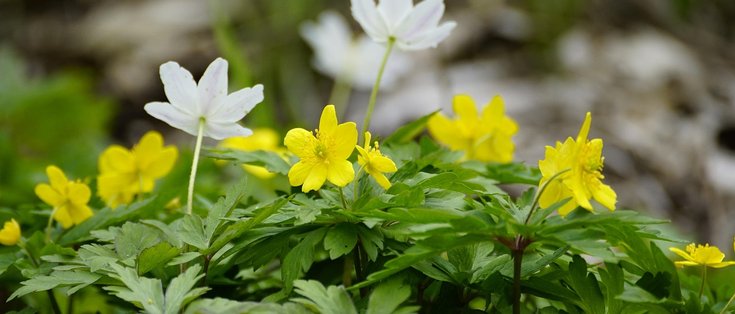
Even in the depths of winter, the woods hold edible and useful treasures for those who know where to look and how to look.

Simple, safe ways to introduce children to foraging and wildcrafting without losing their attention or your peace of mind.

Learn how to safely identify and harvest five common spring greens that appear in yards, woodlands, and meadow edges across much of North America.

Copyright © 2026 Pinecone Post. All Rights Reserved.



Roseanne Williams
Aug 28, 2026 ReplyA guide to safe, delicious wild teas you can brew from common plants on your next hike.