Billy wallson
Senior DirectorLearn how to safely identify and harvest five common spring greens that appear in yards, woodlands, and meadow edges across much of North America.
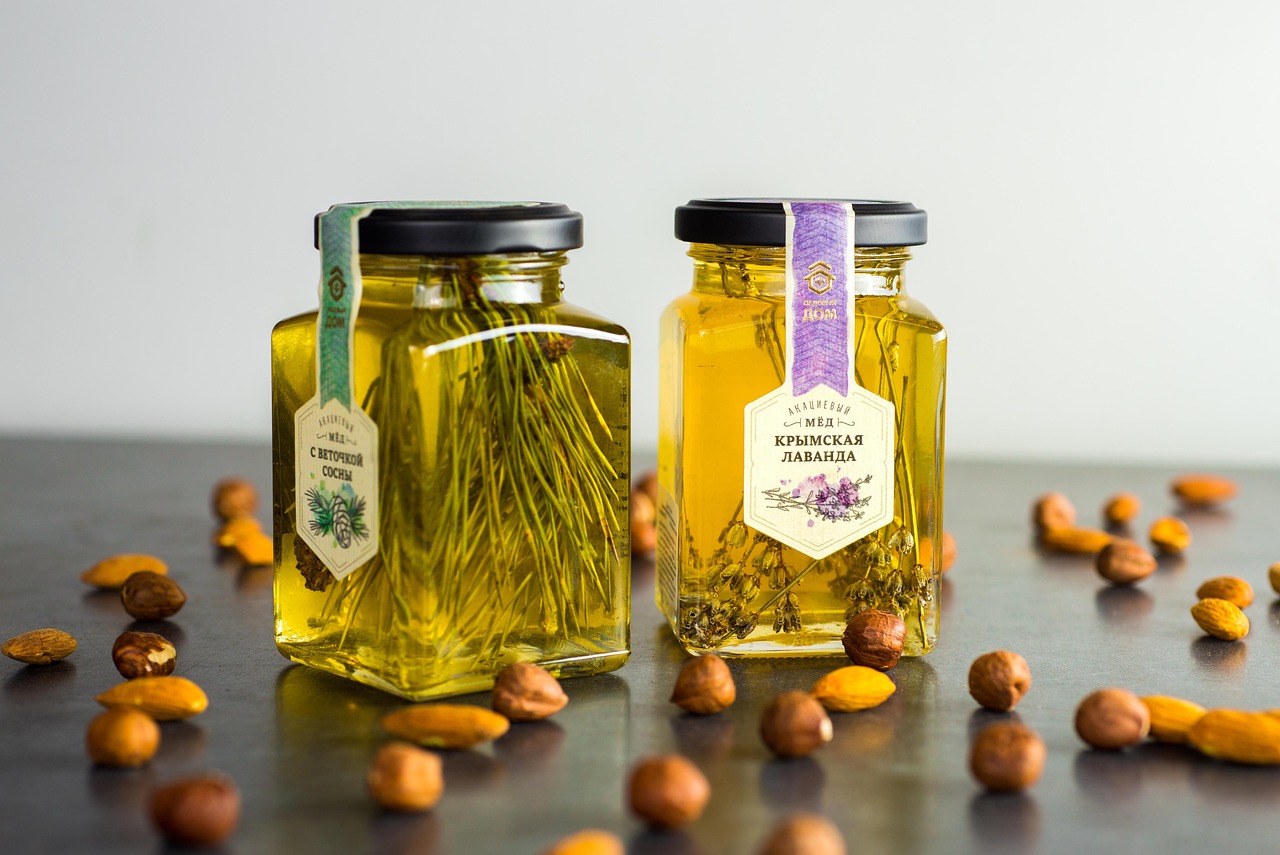
By midsummer, the hedgerows and meadows are practically shouting. Yarrow stands tall in the ditches, plantain carpets the paths, and the first goldenrod is just beginning to glow at the field edges. This is the season when wildcrafters shift from eating to preserving, and one of the most satisfying projects you can take on is a simple herbal salve.
Salve-making is forgiving. It does not demand exact measurements or fancy equipment, and the basic method has been used for centuries. Once you understand the process, you can adapt it to whatever is growing around you.
Start with plants you know well. Yarrow is a classic for minor cuts and scrapes. Plantain is beloved for insect bites and stings. Calendula, though often grown in gardens, naturalizes readily and is a wonderful skin herb. Pine resin, harvested carefully from fresh wounds on conifer trunks, makes a fragrant and traditionally valued salve base. Choose one or two plants per batch so you can learn how each one behaves.
Harvest on a dry morning after the dew has lifted. Herbs with any moisture on them can introduce mold into your oil. Spread your plant material on a screen or clean cloth and let it wilt for a day or two, which reduces water content without sacrificing potency.
To make the infused oil, fill a clean glass jar loosely with your dried or wilted plant material, then cover it completely with a good carrier oil such as olive, sunflower, or jojoba. Stir to release any air bubbles, cap the jar, and set it in a warm spot out of direct sun for three to six weeks, shaking it every few days. If you are impatient, you can use a double boiler and gently warm the oil and herbs together for two to three hours over very low heat. Never let the oil smoke, and never use a direct flame.
When the oil smells richly of the plant, strain it through cheesecloth into a clean jar, squeezing the cloth to get every last drop. This oil will keep for about a year in a cool, dark cupboard.
The classic ratio is roughly one part beeswax to four or five parts infused oil by weight, though this varies with the wax and the firmness you prefer. Grate or chop your beeswax finely so it melts evenly. Warm the oil gently in a double boiler, add the wax, and stir until it is completely dissolved. To test the consistency, put a spoonful on a saucer and pop it in the freezer for a minute. If it is too soft, add a little more wax. If it is too hard, add more oil.
Once you are happy with the texture, pour the salve into clean tins or small jars. Let them cool undisturbed. Label each container with the plant, the oil used, and the date, because in six months you will not remember.
These salves make wonderful gifts and are a tangible record of your foraging year. A tin of yarrow salve tucked into a hiking pack or a jar of pine salve on the windowsill in December is summer, captured and kept.
Turn foraged flowers, bark, and berries into beautiful natural dyes for fabric, yarn, and paper.

A guide to safe, delicious wild teas you can brew from common plants on your next hike.
Drying, infusing, and fermenting are simple ways to keep foraged flavors on your shelf all year.
Simple, safe ways to introduce children to foraging and wildcrafting without losing their attention or your peace of mind.

Learn how to safely identify and harvest five common spring greens that appear in yards, woodlands, and meadow edges across much of North America.
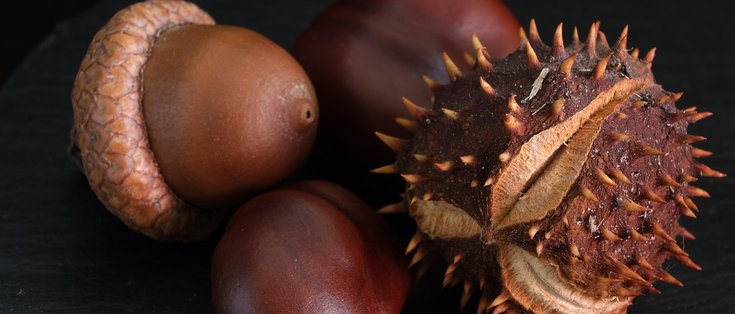
Fall rewards foragers who are willing to look down, dig in, and embrace the quieter, slower harvests of nuts, roots, and late berries.
Copyright © 2026 Pinecone Post. All Rights Reserved.



Roseanne Williams
Sep 15, 2026 ReplyTurn foraged flowers, leaves, and resins into simple healing salves using nothing more than oil, beeswax, and a little patience.