Billy wallson
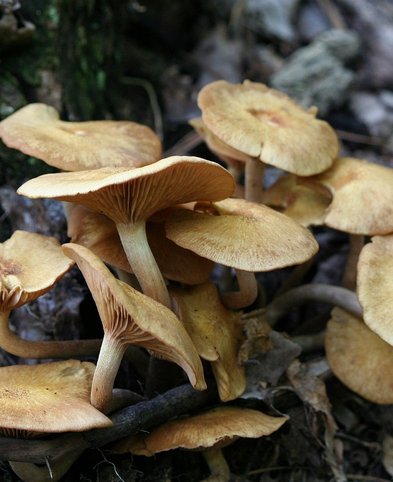
Senior DirectorLearn how to identify, harvest, and respect wild mushrooms so that both you and the forest keep thriving for seasons to come.
Before synthetic dyes existed, every color in a household came from the landscape: onion skins for gold, madder root for red, walnut hulls for deep brown. Natural dyeing is one of the most satisfying wildcrafting projects because it transforms a humble bundle of foraged plants into something lasting and wearable. It is slow, a little unpredictable, and endlessly rewarding.
The first thing to understand is that natural color needs help to stick. Most plant dyes require a mordant, a metal salt that bonds pigment to fiber. Alum is the safest and most common choice for home dyers and works well on protein fibers like wool and silk as well as cellulose fibers like cotton and linen. Always use dedicated pots and utensils that will never touch food again, and work in a well-ventilated space. Wear gloves and an apron, and keep children and pets away from the dye bath.
Some of the best dye plants are ones you can gather without harming wild populations. Onion skins from the kitchen give warm amber and orange. Black walnut hulls, gathered in autumn when they fall, produce rich browns that are famously lightfast. Goldenrod, abundant in late summer, yields clear yellows. Stinging nettle gives a soft green when mordanted with iron, though iron should be used sparingly since it can weaken fibers. Yarrow, tansy, and marigold all offer yellows of varying warmth. For pinks and reds, look to madder root, though it is best grown or purchased rather than wild-harvested. Avoid rare or protected species, and never take more than a small fraction of any wild stand.
Gather responsibly: flowers at their peak, bark only from fallen branches, berries when fully ripe. A general rule is one part plant material to one part fiber by weight for strong color, though experimentation will teach you your own preferences.
Start by scouring your fiber, which simply means washing it thoroughly to remove oils and dirt so the dye can penetrate evenly. Then mordant it by simmering gently in a alum solution, roughly ten percent of the fiber's weight, for about an hour. Meanwhile, simmer your plant material in water for an hour or more to extract the color, then strain out the solids. Add the mordanted fiber to the dye bath and keep it at a low simmer, stirring occasionally, until you are happy with the shade. Remember that colors dry lighter than they look wet.
Let the fiber cool in the bath overnight for deeper saturation, then rinse gently in cool water until it runs clear. Hang to dry in the shade to protect the color from fading. Keep notes on every batch: plant, quantity, mordant, timing, and water source. Your dye journal will become the most useful book you own, because natural dyeing is as much a conversation with your particular landscape as it is a recipe.
Transform pinecones, acorns, twigs, and dried flowers into simple, beautiful crafts that bring the outdoors into your home.

Even in the depths of winter, the woods hold edible and useful treasures for those who know where to look and how to look.
Even in the depths of winter, the woods hold edible and useful treasures for those who know where to look and how to look.
Learn how to identify, harvest, and respect wild mushrooms so that both you and the forest keep thriving for seasons to come.

Learn how to identify, harvest, and respect wild mushrooms so that both you and the forest keep thriving for seasons to come.
Drying, infusing, and fermenting are simple ways to keep foraged flavors on your shelf all year.
Copyright © 2026 Pinecone Post. All Rights Reserved.

Roseanne Williams
Sep 16, 2026 ReplyTurn foraged flowers, bark, and berries into beautiful natural dyes for fabric, yarn, and paper.