Billy wallson
Senior DirectorA guide to safe, delicious wild teas you can brew from common plants on your next hike.

You're sitting in front of your screen, heart racing as the dealer flips the river card. Or maybe you're spinning a slot machine, watching the reels tease a near-miss. iGaming—online casino, sports betting, slots, and poker—is a $100 billion industry that never sleeps. But it's also a minefield of misinformation. If you want to play smart, you need more than luck. This guide cuts through the hype with concrete tips, real numbers, and insider knowledge you won't find in generic how-to articles.
iGaming covers any betting activity done over the internet: casino games (blackjack, roulette, baccarat), sports betting, online slots, and peer-to-peer poker. The global market hit $87 billion in 2023 and is projected to reach $153 billion by 2030, according to Grand View Research. Europe leads in regulated markets, but the U.S. is catching up fast—since the Supreme Court struck down PASPA in 2018, over 30 states have legalized sports betting. Why does this matter to you? Because regulation shrinks the shady operators. Always choose a site licensed by a reputable authority like the UK Gambling Commission, Malta Gaming Authority, or a state gaming board. Unlicensed sites might offer flashy bonuses, but they can vanish with your deposit. A good rule: check for a license number in the footer, read independent reviews, and test customer support before you sign up.
Every casino game has a built-in house edge—the mathematical advantage that keeps the casino profitable. But not all edges are equal. Blackjack, when played with basic strategy, can have an edge as low as 0.5%. Roulette? American wheels (with double zero) give the house 5.26%, while European wheels (single zero) drop to 2.7%. Baccarat banker bet? A tiny 1.06%. Slots? Anywhere from 1% to 15%, depending on the machine. The smartest move: avoid side bets and progressive jackpots with terrible odds. Instead, master basic strategy for blackjack (memorize the chart—it's free online) and stick to European roulette. If you love slots, choose games with a published RTP (Return to Player) above 96%. Myth buster: 'Hot' and 'cold' streaks don't exist. Each spin is independent. The RNG (random number generator) doesn't care about your last 10 losses. For up-to-date information, visit slot mahjong.
Slots are the casino's cash cow—about 70% of all gambling revenue in the U.S. comes from them, per the American Gaming Association. But most players don't understand volatility or hit frequency. Volatility (or variance) tells you how often and how much a slot pays. Low volatility: frequent small wins (think 90% hit frequency). High volatility: rare but massive payouts (maybe 20% hit frequency). If you have a $100 bankroll, high-volatility slots will eat it in minutes. Your best bet: match volatility to your budget and play style. Also, check the max win cap—some slots cap at 5,000x your bet, while others advertise 50,000x. And never chase losses on a 'bonus buy' feature. A 100x buy might seem like a shortcut, but the RTP often drops below 96%. My advice: set a loss limit before you spin, and treat slots as entertainment, not income.
Sports betting is a skill game disguised as luck. The vig (commission) typically ranges from 4% to 10%, meaning you need a 52.4% win rate to break even on standard -110 bets. That's why bankroll management is non-negotiable. Follow these steps:
Stick to straight bets or small teasers if you're serious. And never bet on your favorite team—emotions kill profits.
In poker, the house takes a rake (typically 5-10% of the pot, capped at $3-$5). That means your profit comes from weaker opponents. Online poker has three main formats: cash games, tournaments (MTTs), and sit-and-gos (SNGs). If you're new, start with micro-stakes cash games ($0.01/$0.02 blinds) or $1 SNGs. Learn pot odds and position: acting last gives you more information. A concrete tip: play tight-aggressive (TAG) in early positions (only premium hands like AA, KK, QQ, AK) and loosen up on the button. Use a HUD (heads-up display) only if the site allows it—many regulated sites ban them. Also, track your win rate in bb/100 (big blinds per 100 hands). A good micro-stakes player earns 5-10 bb/100. Anything above 15 is elite. And remember: variance in tournaments is brutal. You might go 20 buy-ins without a cash. That's normal. Bankroll for MTTs should be at least 100 buy-ins.
iGaming can be thrilling, but it's not a get-rich-quick scheme. The operators spend millions on psychology—flashing lights, near-miss sounds, and bonus offers—to keep you playing. Your best defense is knowledge. Know the house edge. Set strict deposit limits (most regulated sites let you set daily, weekly, or monthly caps). Take breaks. And never bet money you can't afford to lose. The biggest winners aren't the ones who hit a jackpot; they're the ones who walk away with more than they started. Treat every session as entertainment with a cost, not an investment. If you do that, you'll enjoy the ride—and maybe even come out ahead. Now go find a licensed site, set your limits, and play with your head, not your heart.
Turn foraged flowers, leaves, and resins into simple healing salves using nothing more than oil, beeswax, and a little patience.

Simple, safe ways to introduce children to foraging and wildcrafting without losing their attention or your peace of mind.
Fall rewards foragers who are willing to look down, dig in, and embrace the quieter, slower harvests of nuts, roots, and late berries.
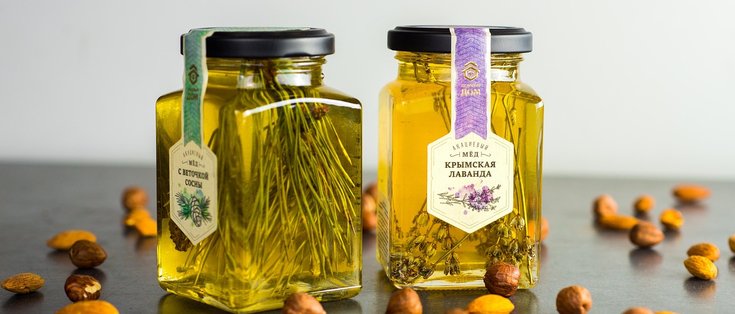
Transform pinecones, acorns, twigs, and dried flowers into simple, beautiful crafts that bring the outdoors into your home.

A guide to safe, delicious wild teas you can brew from common plants on your next hike.

Turn foraged flowers, leaves, and resins into simple healing salves using nothing more than oil, beeswax, and a little patience.
Copyright © 2026 Pinecone Post. All Rights Reserved.




Roseanne Williams
Oct 1, 2026 ReplyLearn how to safely identify and harvest five common spring greens that appear in yards, woodlands, and meadow edges across much of North America.